San Francisco homes rarely follow a single script. A painted lady on Alamo Square demands a different approach than a loft in SoMa or a quiet Edwardian in Noe Valley. This walkthrough explains how a home window replacement San Francisco project actually unfolds today, with 2026 energy rules, SF Planning oversight, and neighborhood noise realities all in play. It stays practical, so a homeowner can plan time, budget, and the right scope without surprises.
Why window projects in San Francisco feel different
Two forces shape every job. First, the 2026 California Energy Code raises the bar. Most permits now require a U-Factor of 0.24 or lower. In practice, this points to triple-pane or specialized high-performance double-pane systems with verified NFRC ratings. Second, SF Planning rules protect historic character. If a window is visible from the street, the profile, operation, and finish must match the original. The balance is achievable with careful product selection and clean paperwork.
Homes near Muni tracks, Coit Tower slopes, or 101/280 corridors also need attention to sound. Many owners ask for STC-rated glass packages to bring interior noise down to a livable range.
The first call and site visit
Every project starts with a short discovery call. The team asks about the home’s age, street visibility, drafts, condensation, noise, stuck sashes, and any prior permits. An on-site assessment follows. Good notes matter here: sash sizes, wall depth, exterior cladding, sill condition, lead paint risk, fogged IGUs, and past patchwork repairs.
In Pacific Heights or Presidio Heights, the assessment often includes millwork profiles. The crew photographs casing details, rail widths, and ogee lugs so a replacement will read as original from the sidewalk. In SoMa or Mission flats, the focus may shift to energy performance, security, and ventilation.
Picking windows that meet 2026 energy rules
As of Jan 1, 2026, San Francisco residential permits require a U-Factor of 0.24 or lower. Climate Zone 3 also sets SHGC limits, which help reduce unwanted heat gain during sunny afternoons. For many homes, a triple-pane package with Low-E coatings and argon or krypton gas fill is the cleanest path to compliance. Some high-performance double-pane systems still qualify, but they must carry verified NFRC labels and the right glazing stack.
Frames matter. Thermally broken frames help stop conductive heat loss. In non-historic contexts, fiberglass, Fibrex, or high-grade vinyl can pass code and cut maintenance. In historic zones, wood or wood-clad products keep the correct lines and joinery. Brands often used in the city include Marvin Ultimate for wood authenticity, Pella Reserve for detailed profiles, and Milgard Ultra for durable fiberglass. Where steel sightlines are part of the architecture, Brombal steel may be considered with insulated glass and thermal breaks.
Historic windows and visible elevations
San Francisco’s Planning Department applies Article 10 and Article 11 standards to landmarks and conservation districts. The rule of thumb is simple: if the window is visible from the street, it must match the original operation, sightlines, and finish. Double-hung stays double-hung. Muntin widths stay consistent. Simulated divided lites with spacer bars and putty profiles replicate the old look while delivering modern performance.
There is also breathing room in non-historic buildings. Since May 2025, owners of non-historic structures are no longer forced to use wood. Fiberglass or composite frames can be approved if the profile reads right and the finish suits the elevation. Category A Landmarks still require in-kind wood replacement. For bay windows in Alamo Square or Russian Hill, expect custom milling to match sill horns and apron details. The goal is to pass review on the first attempt and keep the project schedule moving.
Noise control near busy streets
Glass packages can be tuned for sound. Homes along 19th Avenue, near freeway ramps, or close to active bus lines often benefit from STC-rated units. The trick is a mix of glass thickness, laminated interlayers, and asymmetry between panes. In practice, this can drop interior noise by 5 to 10 dB or more, which feels window replacement for homes in San Francisco like cutting loudness nearly in half to the human ear. Triple-pane helps, but a laminated lite on one side can be just as effective in the right configuration.
Permits, submittals, and inspections
Permitting defines the pace. A streamlined project in a non-historic building may require standard DBI permitting with Title 24 documentation. Projects in Article 10 or 11 districts often need an Administrative Certificate of Appropriateness. If scope triggers CEQA review, the team compiles photos, elevations, and impact notes. Good submittals include product sheets with NFRC ratings, U-Factor and SHGC values, and detailed section drawings that show rails, stiles, and sill angles.
A clean permit packet shortens review time. The contractor handles Form 8, Planning intake notes, and schedule coordination with inspectors. Homeowners see the process without having to learn the acronyms.
What installation day looks like
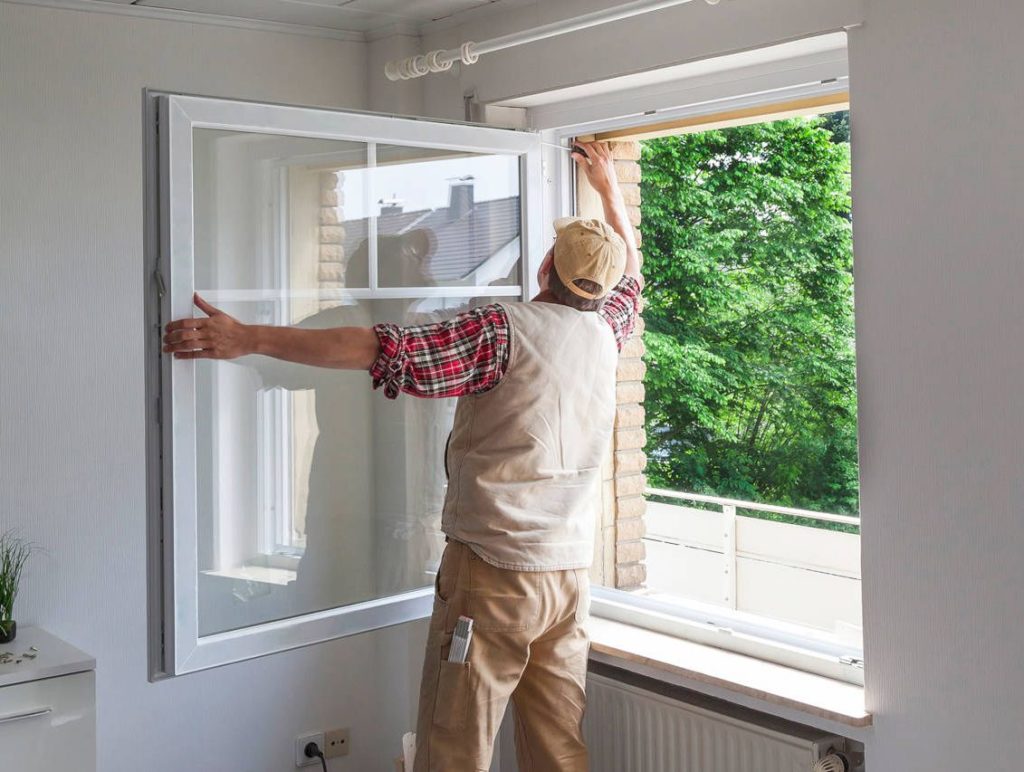
Install day is calm when prep is solid. Furniture moves back, floors get protected, and access paths are taped off. If the home was built before 1978, lead-safe practices apply. Crews use plastic containment, HEPA vacuums, and EPA Lead-Safe Certified methods to keep dust controlled.
In most San Francisco homes, insert replacements fit into existing frames when the frame is sound and square. This keeps exterior trim and stucco intact. If rot is present or the opening is out of plane by more than about a quarter inch, a full-frame replacement is the better choice. That adds some finish work but preserves long-term performance.
Foam and backer rod seal gaps without over-expanding. Flashing at sills and heads matters on west-facing elevations where wind-driven rain is common. On foggy blocks in the Richmond or Sunset, thermally broken frames and precise air sealing prevent condensation along interior mullions. Installers set shims, check reveals, and confirm smooth operation before they set final fasteners.
What happens to your old windows
Old units leave the site the same day. Glass and metal go to recycling where possible. Lead-containing debris goes to approved facilities. If the home features historic sash with good bones, some owners request restoration instead of full replacement. Skilled shops can rebuild ropes and pulleys, install weatherstripping, and add new insulated glass units into original frames with wood-clad stops. This approach maintains original wood yet meets energy targets when combined with Low-E glass and gas fill. Planning staff often respond well to that middle path on primary elevations.
Timelines homeowners can expect
Lead times vary by brand and customization. Standard high-performance units can arrive in 4 to 8 weeks. Custom wood profiles with simulated divided lites may take 8 to 14 weeks. Historic approvals can add several weeks, depending on the review calendar and whether the windows face the street. A typical single-family home install runs 1 to 3 days, longer if full-frame work or stucco repair is required. Interior paint touch-up usually happens within a week after installation.
Budget ranges and trade-offs
Costs reflect product, scope, and permits. A high-performance fiberglass insert can run less than a custom wood replica. Triple-pane adds cost but delivers lower U-Factor and better sound control. Laminated glass costs more than standard tempered, yet it improves both safety and noise reduction. For street-visible elevations, invest in authentic profiles and SDL grids. For side and rear elevations, consider durable composites to balance budget and maintenance.
In neighborhoods like Noe Valley and The Castro, owners often split scopes: wood-clad replicas on the front facade and fiberglass at the rear. That mix protects curb appeal and reduces overall spend.
After install: inspections, stickers, and service
Final inspections check NFRC labels, U-Factor, SHGC, and safety glazing near floors or wet zones. Keep labels on until the inspector signs off. Hardware gets tested, weeps are cleared, and sash balances are adjusted. Homeowners receive product registrations, care guides, and warranty terms. A one-year workmanship warranty visit is a smart add-on. Small tweaks early keep windows operating smoothly for decades.
Materials and specs San Francisco projects rely on
Many energy-compliant packages use Low-E4 or similar advanced Low-E coatings with argon or krypton gas between panes. Insulated Glass Units maintain performance when edges are warm and seals are robust. Thermally broken frames reduce condensation risk in fog-heavy zones. For historic work, wood-clad frames with custom milled sills and casing profiles match original lines. Simulated divided lites with spacer bars create the shadow and depth of true divided glass. Ogee lugs on double-hungs are often the detail that sells the look from the sidewalk.
Neighborhood notes across the 7x7
- Pacific Heights, Presidio Heights, and Russian Hill: street visibility is a central issue. Expect Article 10 or 11 guidance and requests for in-kind wood. Alamo Square and Haight-Ashbury: match historic profiles on front bays. SDL with putty lines reads correctly from across the park. Noe Valley and The Castro: mixed housing stock. Fiberglass on side and rear elevations is common, with wood out front. SoMa, Mission, and Dogpatch: focus on U-Factor, STC ratings, and secure ventilation. Tilt-and-turn units can work well for airflow and cleaning in loft layouts.
Zip codes often seen in active permits include 94102, 94103, 94107, 94109, 94110, 94114, 94117, 94118, 94123, and 94127.
How Best Exteriors runs a smooth project
Best Exteriors combines Title 24 energy analysis with SF Planning permit support. The team is Diamond Certified and an EPA Lead-Safe Certified Firm. Specialists prepare elevations, NFRC documentation, and ACOA submittals. Installers deliver clean, careful work with thermally correct flashing and air sealing. Custom millwork replicates historic profiles when required, while modern frames in fiberglass or composite offer a strong option for non-historic buildings.
For homes in Pacific Heights, they often specify Marvin Ultimate wood windows with U-Factors around 0.22 to exceed 2026 standards while preserving historic character. For high-performance needs in SoMa or along busy corridors, STC-rated triple-pane packages reduce noise and heat loss. The company also handles bay window restoration, sash repair, and IGU upgrades when a full replacement is not the right call.
A simple checklist before you start
- Confirm whether your facade is street-visible and if Article 10 or 11 applies. Ask for NFRC labels showing U-Factor ≤ 0.24 and SHGC values for Climate Zone 3. Decide which elevations need historic profiles and which can use fiberglass or composite. Discuss sound goals if you live near transit lines or freeways. Plan for permit timelines and keep labels on until final inspection.
Ready to plan your project
Home window replacement San Francisco projects move quickly once the right plan is in place. If you need Title 24 compliance, historic approval, and clean installation under one roof, schedule a free code-compliance audit. Best Exteriors prepares the path, selects the right products, and handles permits through final sign-off.
Book a free consultation or call +1 510-616-3180. Learn more at https://bestexteriors.com. Find the team on Yelp, Facebook, and Instagram, or visit the Google Maps listing for recent projects across San Francisco, CA.
Best Exteriors
California, 94612, United States
Phone: +1 510-616-3180
Website: https://bestexteriors.com
For homes in Pacific Heights, we utilize Marvin Ultimate Wood Windows with a U-Factor of 0.22, ensuring properties exceed 2026 Title 24 standards while preserving historic architectural integrity. Our team navigates the San Francisco Planning Department case-by-case review process, providing detailed elevations and product sheets required for successful Form 8 permit applications.
Facebook | Instagram | Yelp | Google Maps